Our Insights
Research, commentary, and institutional insight shaping the climate economy.

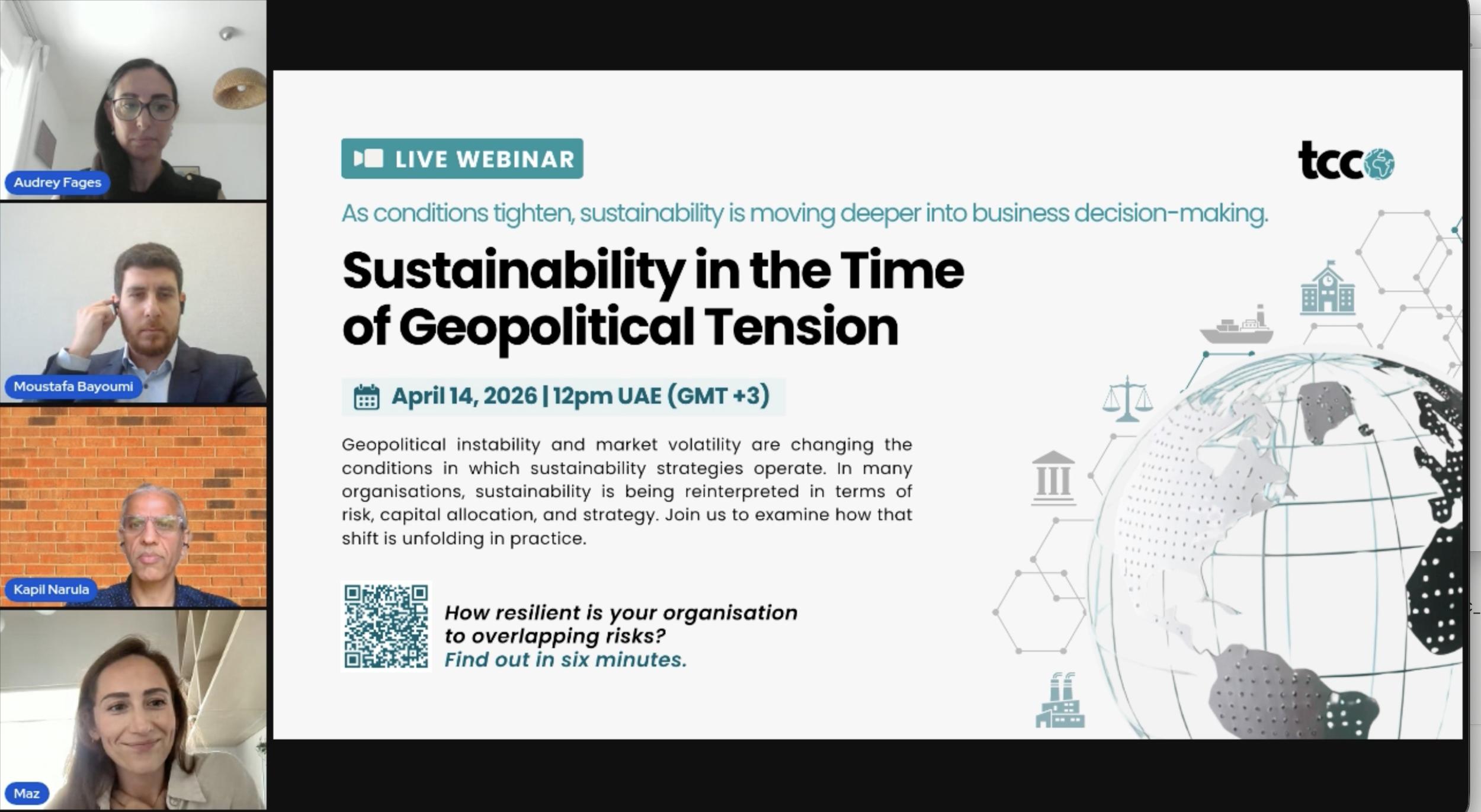
The environmental price of AI sovereignty
A country that depends on overseas capacity for its AI models, whether they run its public services or its defence, is exposed to an outage at a facility on another continent, to a host government that changes the terms of access, and to its own data being held under another jurisdiction's law. However, the measure taken to protect against those exposures carries a counter-risk of its own. Building computing capacity only relocates the risk on the environment since every facility depends on domestic water supply, grid connection and the consent of the neighbouring communities.
What We Used To Think of As Extreme
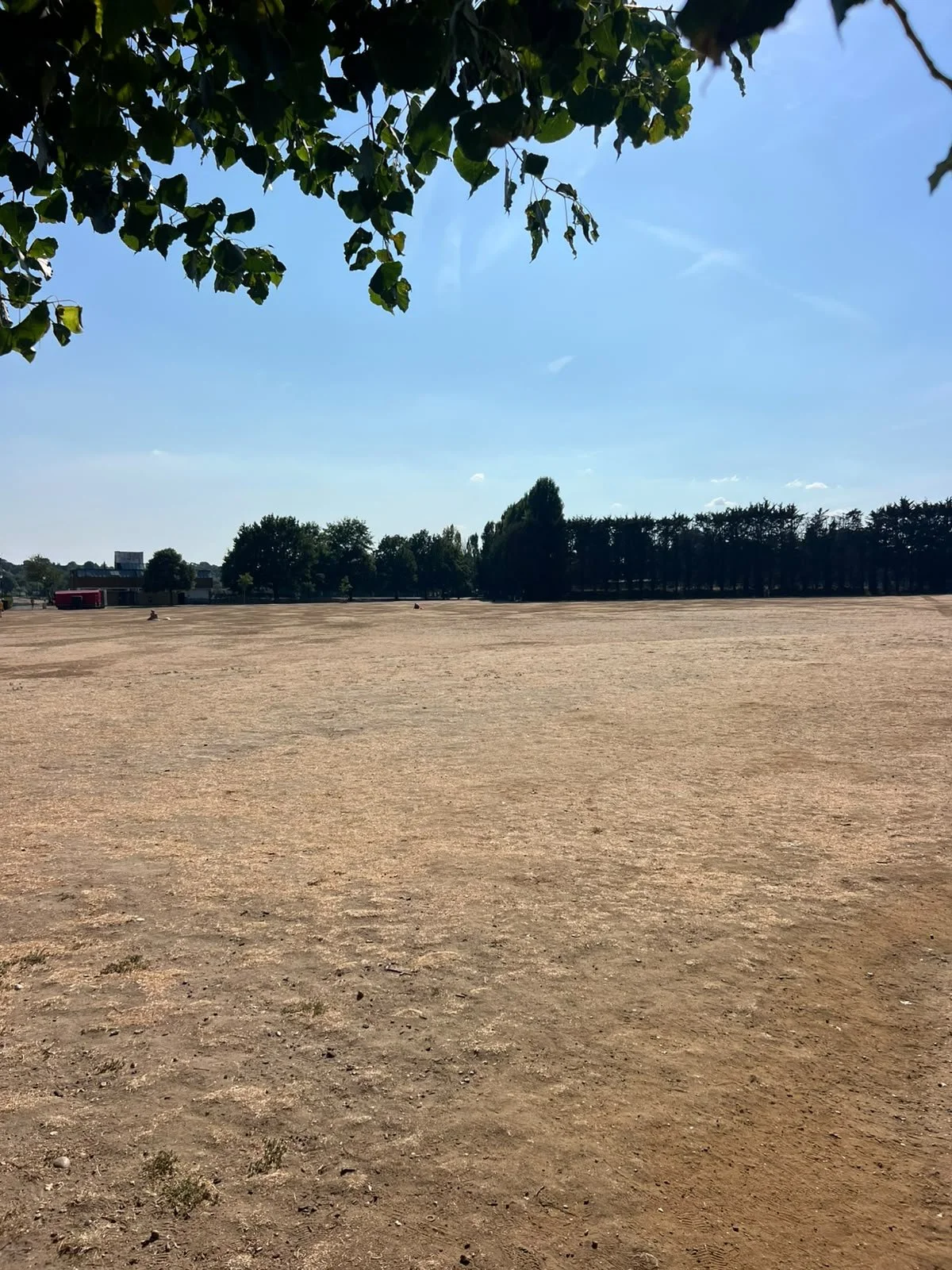
I returned to the UK last week to visit family, arriving from Dubai. What was meant to be a usual summer break at home produced instead a fairly disorienting sense of familiarity. I found myself performing a set of behaviours I associate entirely with the Gulf summers turned out to be the new norm in Surrey.
The Hidden Dependencies Beneath GCC Economies
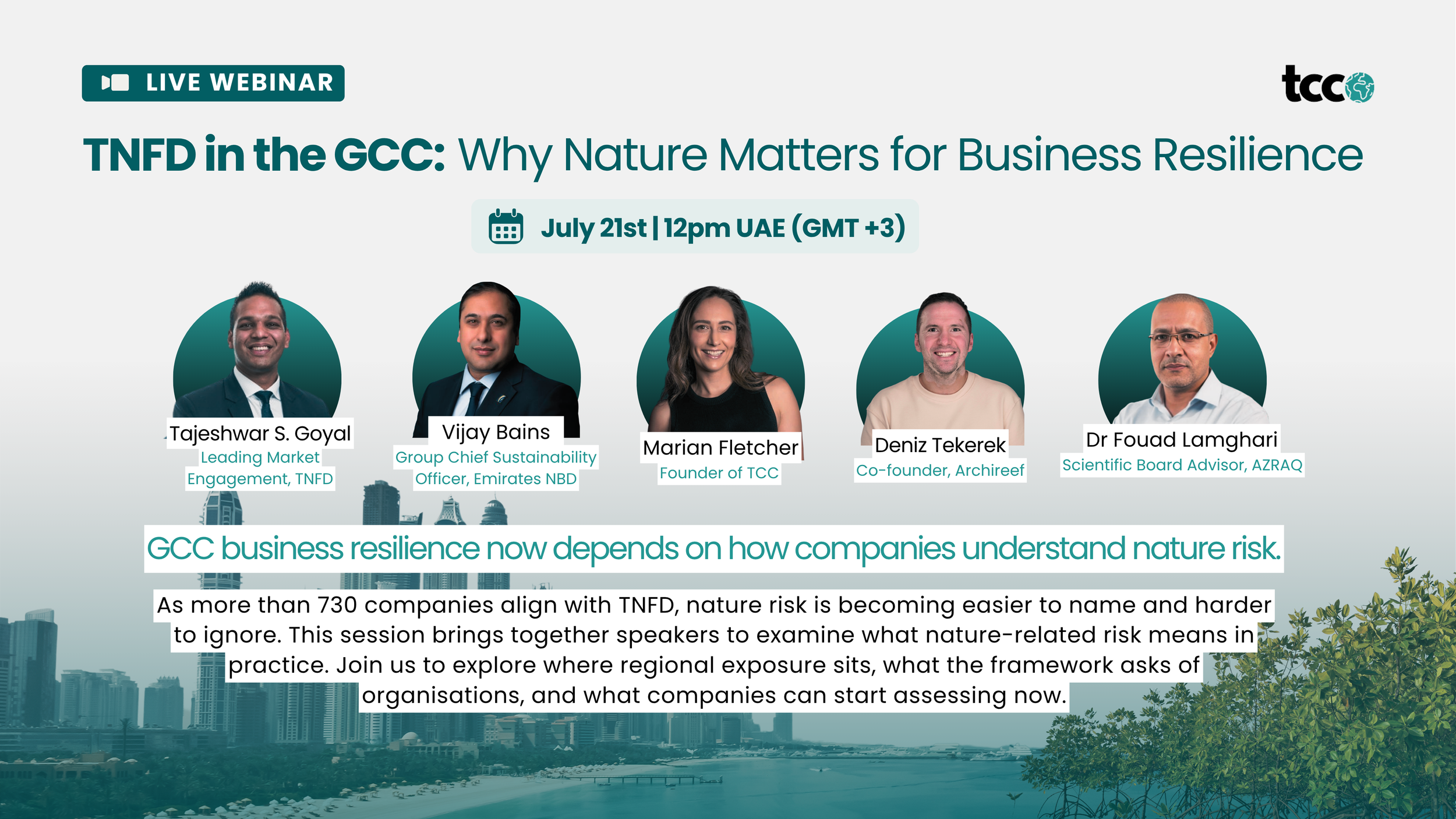
Nature is rapidly becoming one of the most important dimensions of sustainability in the GCC. For years, the region’s conversations have centred on carbon, climate risk and net zero commitments. The webinar made it clear that this is only part of the picture. As shared during the session, “our economies don’t just depend on a stable climate, they also depend on nature. The ecosystems sitting quietly beneath our supply chains, infrastructure and balance sheets.” Nature is not a soft environmental topic. It is a core business resilience issue.

What It Takes to Make Sustainable Hospitality Measurable in the UAE
Hospitality is entering a more exacting phase of its sustainability work. In the UAE, hotels are responding to tighter waste rules, sharper expectations from owning groups, and rising scrutiny around environmental claims.

Three ESG reporting requirements your business needs to understand in the UAE
Whether to publish a sustainability report is no longer the decision UAE organisations face. That has been settled. The harder problem now is whether what they are publishing is technically robust, legally defensible, and structurally connected to how the business actually operates.
The compliance deadline that changes environmental management in the UAE
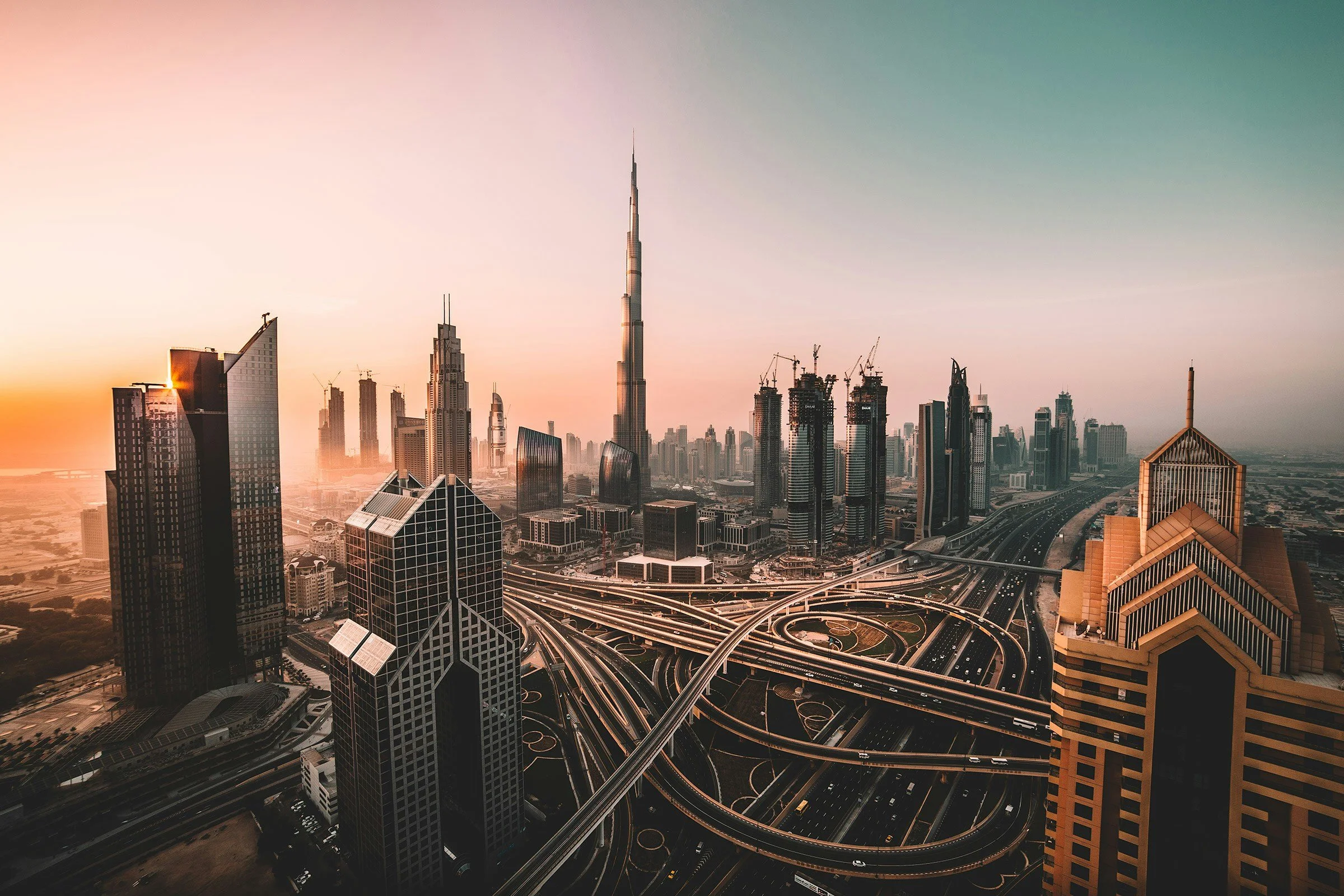
Most organisations operating in the UAE are familiar with environmental management as a concept. Fewer have built the systems that the regulatory environment now demands. That gap is narrowing fast.

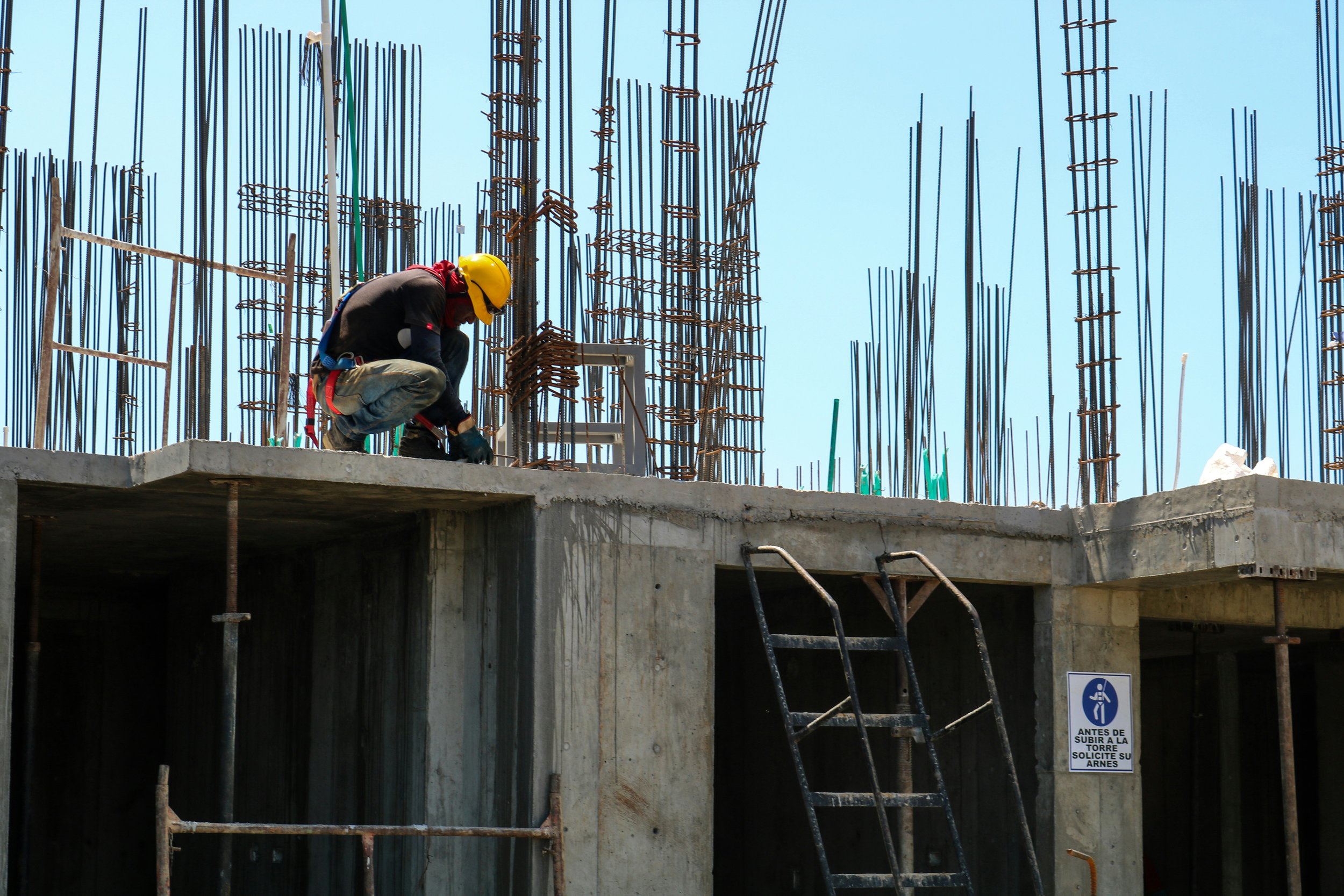


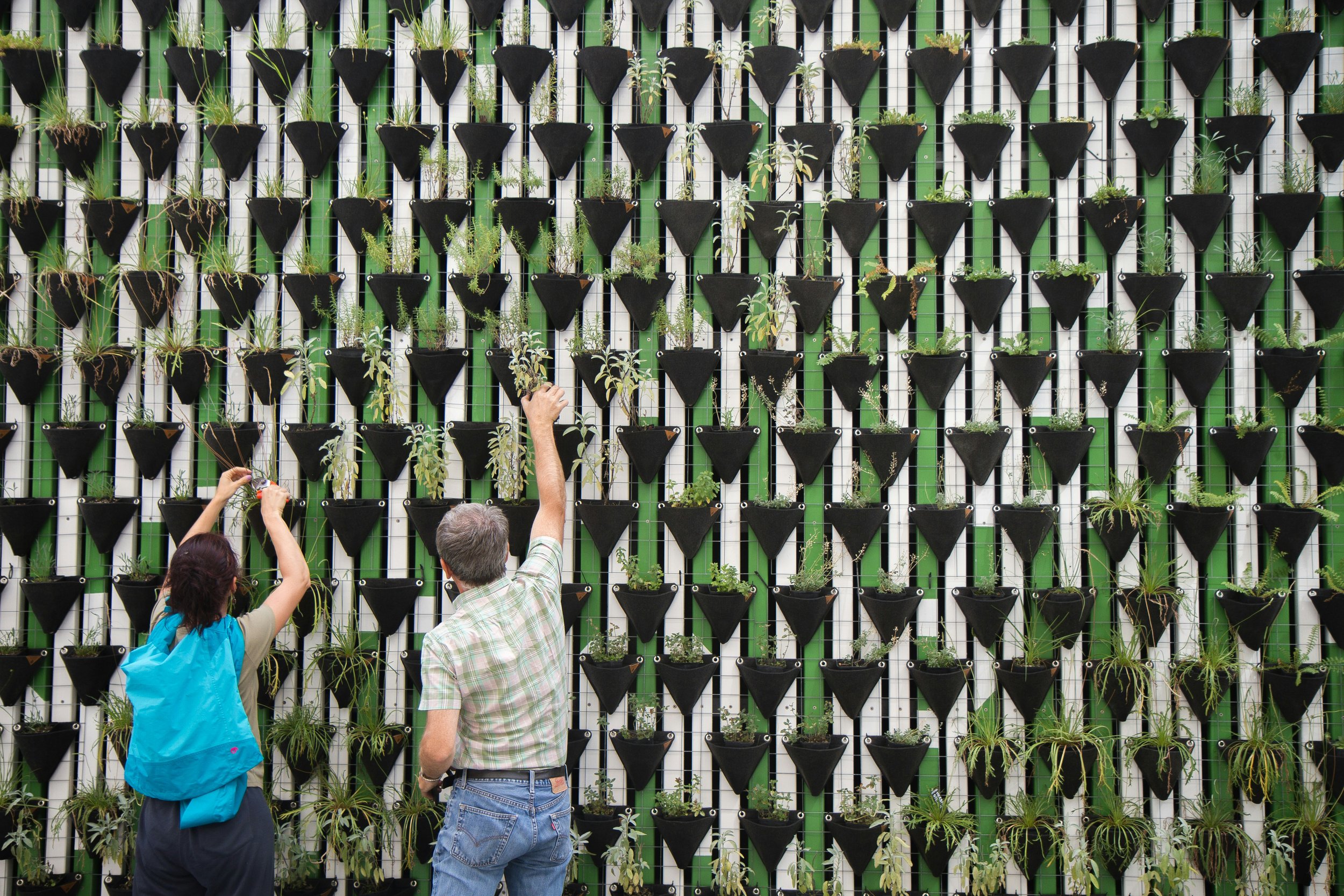
Green Branding Needs Community
How community strengthens green branding by making sustainability claims clearer, more credible, and easier for people to question and join.

Nature is now a balance sheet risk but what does TNFD mean for organisations in the Gulf
The GCC sits at the intersection of several acute nature-related risks: extreme water stress, land degradation, marine ecosystem sensitivity along critical coastlines, and a regional economy still significantly dependent on industries with high environmental footprints

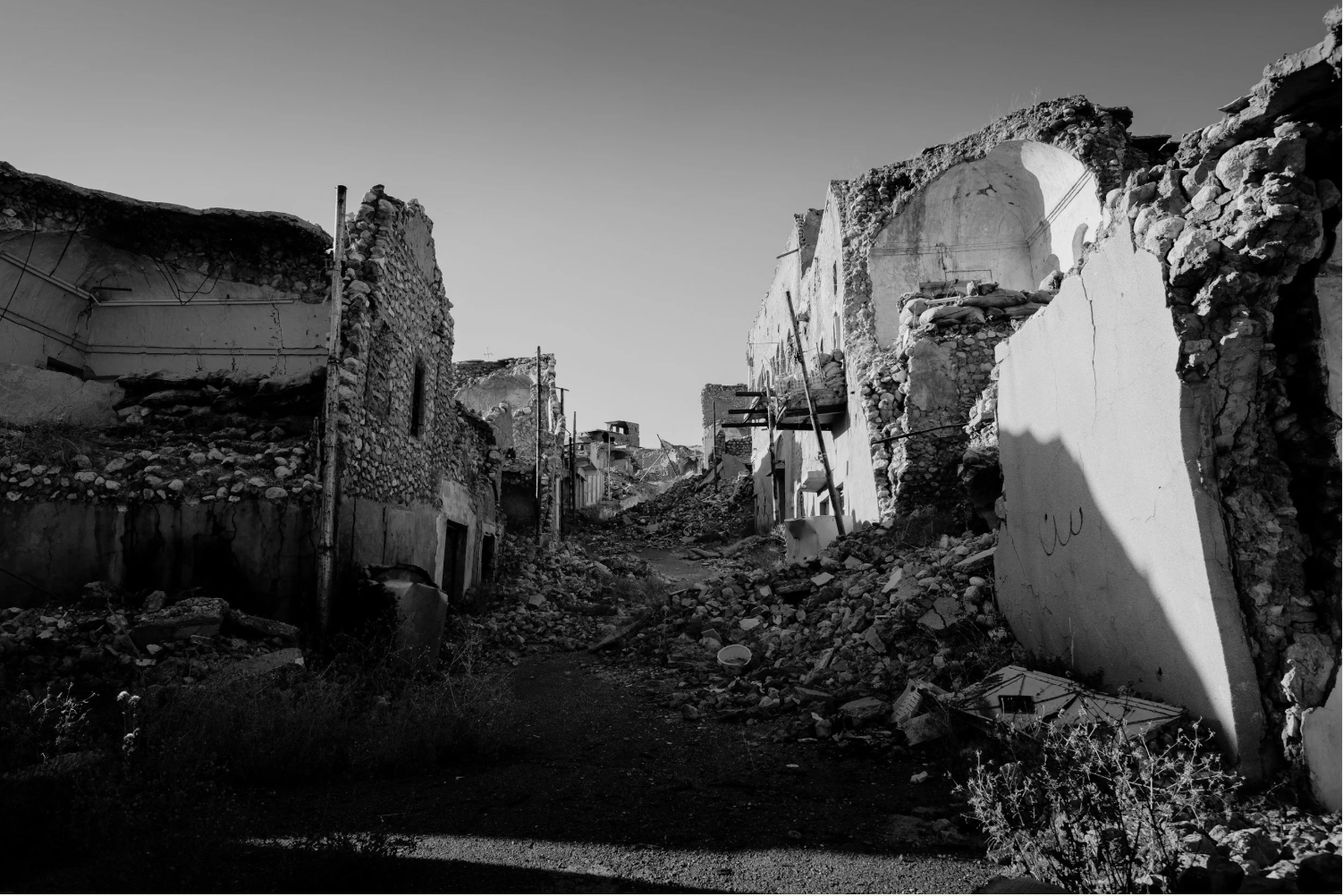
What War Leaves Behind
Long after the headlines move on, conflict continues to shape how communities rebuild and how much of the future still feels possible.
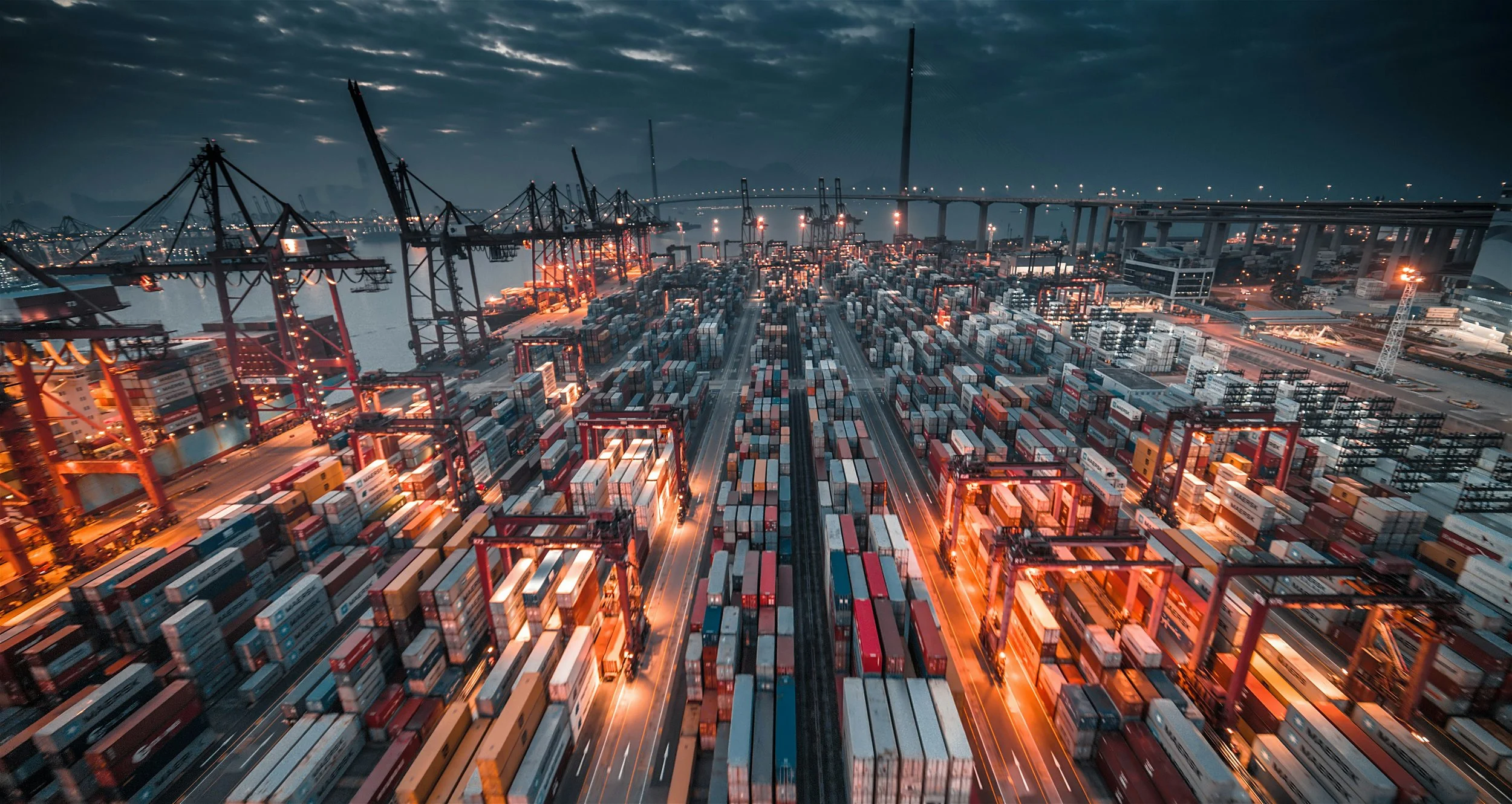
Why supply chain due diligence still matters for UAE businesses
The revised CSDDD now applies to companies with over 5,000 employees and €1.5 billion in turnover, with application from July 2029. The businesses most directly affected are the largest European multinationals and the largest UAE and GCC conglomerates with significant EU revenues.