
What War Leaves Behind
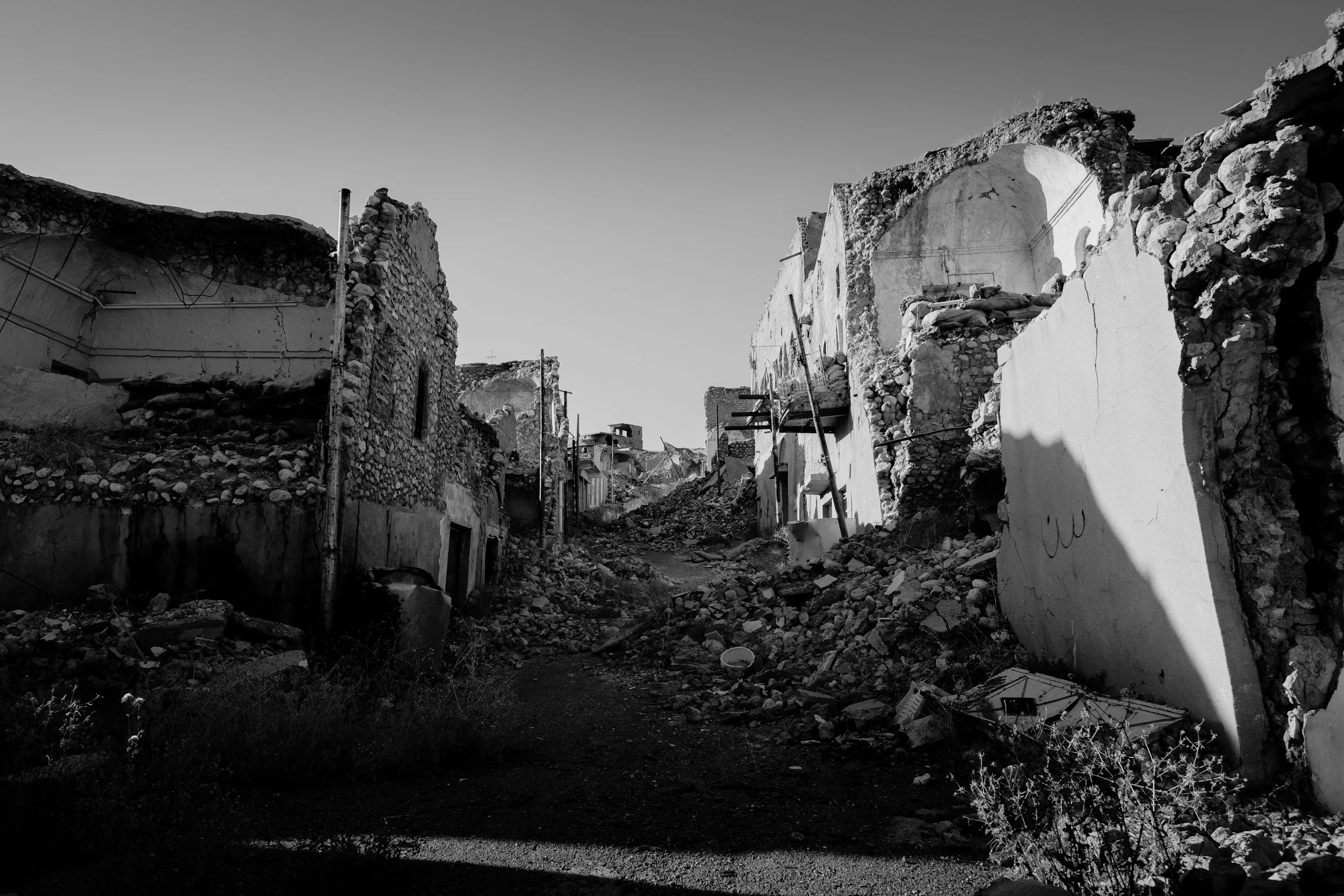
War is often understood through the images that travel fastest: explosions, collapsed buildings, families leaving home with what they can carry.
Yet some of its most lasting consequences are harder to see. They settle into daily life, into the soil, into coastlines, into the systems people depend on to learn, work, move, recover, and feel safe again.
Long after the headlines move on, conflict continues to shape how communities rebuild and how much of the future still feels possible.
Social Damage Does Not End With a Ceasefire
Conflict does more than destroy infrastructure. It interrupts the ordinary routines that hold communities together.
Families are displaced. Schools close, reopen, and close again. Children lose months or years of learning, often with little chance to recover that time. Neighbours are separated. Trust becomes harder to rebuild. Roles inside families shift quickly as people respond to pressure, grief, and uncertainty.
These changes are rarely visible from outside. They appear in quieter ways: a child falling behind, a family unable to return, a community that no longer feels familiar to itself.
Even when violence stops, social repair takes time. It depends on safety, income, education, memory, and trust. None of these return automatically.
The Environmental Cost Is Often Treated as Secondary
The environmental damage of war is usually discussed after the human toll, if it is discussed at all. Yet the two are closely connected.
Blasts release toxic dust, chemicals, and heavy metals into the air. Damaged industrial sites can contaminate soil and water. Oil spills, military activity, and intensified marine traffic place extra pressure on fragile ecosystems.
This matters acutely in regions such as the Gulf, where marine environments are already exposed to heat stress, coastal development, and heavy shipping. Species that depend on stable habitats and migration patterns, including whale sharks, can be affected by noise, pollution, vessel movement, and changes in food availability.
War weakens the systems meant to protect nature at the exact moment when protection becomes more urgent. Monitoring slows down. Enforcement becomes difficult. Restoration is delayed. Damage spreads through ecosystems before it is fully measured.
The loss is not only ecological. It affects food systems, coastal protection, livelihoods, and the natural buffers that help communities withstand future shocks.
Rubble Becomes a Long-Term Risk
A destroyed building is not just a visual marker of conflict. It can become a source of contamination.
Concrete, metal, fuel, asbestos, plastics, and household chemicals do not disappear when a structure collapses. They become part of the debris people must clear, breathe around, walk through, and rebuild from.
Dust can carry toxic particles into lungs, soil, and water. Debris can leach pollutants into groundwater. Reconstruction can become hazardous before it even begins.
This is one reason recovery is never only about rebuilding what stood before. People may return to the same neighbourhood, but the ground beneath it may no longer carry the same sense of safety.
Why These Impacts Matter
The least visible consequences of war often shape recovery most deeply.
They influence whether families can return home, whether children can regain lost education, whether ecosystems can recover, and whether reconstruction creates safety rather than new forms of risk.
War destroys quickly. Recovery is slower, more uneven, and far less visible. Understanding the social and environmental costs of conflict is essential for rebuilding with dignity, resilience, and care for the systems that make life possible.
