
The Decent Work Taskforce
Co-convened by UN Global Compact Network UAE and The Climate Consultancy
Decent work is where responsible business becomes visible in practice.
As expectations around worker welfare continue to evolve, businesses are increasingly looking for practical ways to strengthen protections across their operations, contractor networks, and supply chains. Delivering meaningful outcomes for workers requires not only commitment, but also collaboration, shared learning, and practical implementation.
TCC co-convenes the Decent Work Taskforce to bring companies together around this agenda: developing practical tools, sharing leading practices, building common standards, and advancing solutions that strengthen worker wellbeing, resilience, and dignity across the world of work.
Why this matters now?
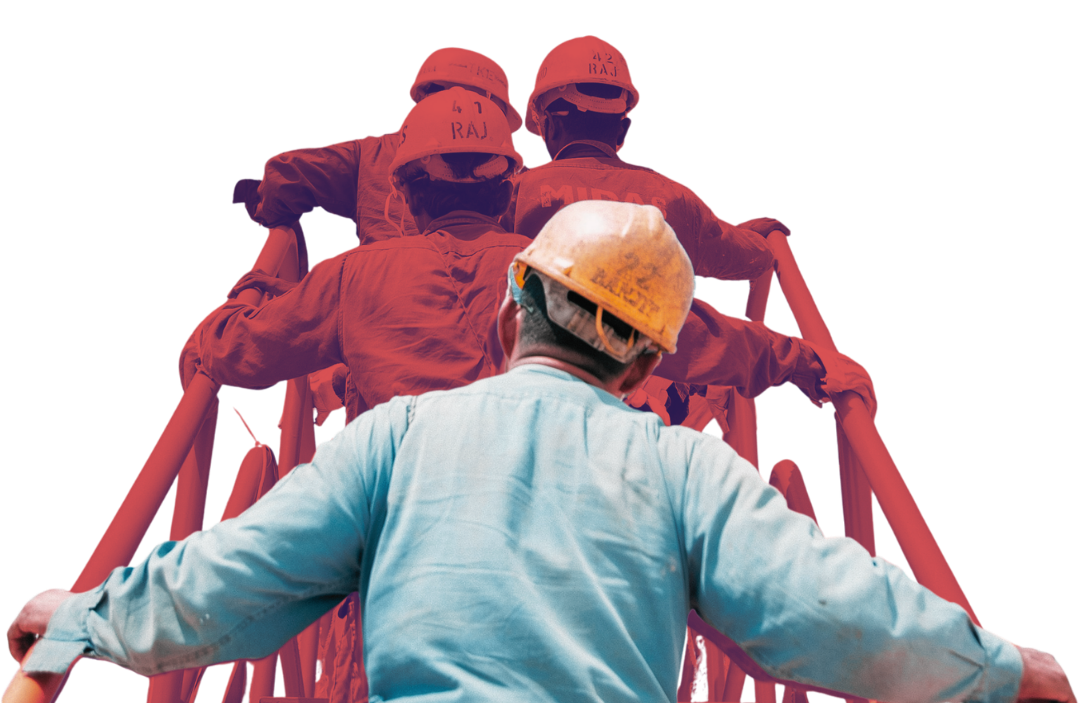
For its inaugural phase, the Taskforce has focused its efforts where the need is most acute. With migrant workers comprising approximately 90% of the UAE's private sector workforce - many employed through complex, multi-tier supply chains - the risks of income disruption, restricted mobility, inadequate shelter protocols, and information gaps fall disproportionately on those least able to absorb them. The Taskforce aims to equip businesses with the knowledge, peer insight, and practical guidance to act responsibly, now.

~90% of UAE private sector workforce are migrant workers
The regulatory pressure is growing
The growing global focus on human rights due diligence, including through the EU Corporate Sustainability Due Diligence Directive, is increasing expectations for companies to demonstrate responsible employment practices throughout their operations and supply chains. For businesses with EU market exposure, European parent companies, or international reporting commitments, robust supply chain governance is becoming an increasingly important part of long-term competitiveness and resilience.
The UAE is well positioned to respond to these expectations, with a strong regulatory foundation that includes MOHRE's Wage Protection System, heat stress protections, and formal grievance mechanisms. As companies continue to strengthen implementation across contractor and sub-contractor networks, there is an opportunity to build greater consistency, transparency, and positive outcomes for workers throughout the value chain.

The Taskforce supports companies in translating worker welfare commitments and policy intent into operational reality.
Core Pillars of Decent Work
Productive and Fair Income
Advancing fair compensation, wage compliance, sector wage transparency, and supplier wage expectations.

Health and Safety Standards
Embedding robust health and safety systems, heat stress risk management, worker mental health, and crisis safety protocols.

Sustainable Procurement
Embedding decent work standards in procurement decisions, supplier capacity building, and social criteria in contracts.

Ethical Employment Standard
Responsible recruitment, elimination of worker-paid fees, access to remedy, and protection of migrant workers.

How the Taskforce works
The Decent Work Taskforce is a confidential, peer-informed platform. Companies share real operational challenges, co-develop practical tools, and hold themselves collectively accountable. Sessions operate under the Chatham House Rule.
The Taskforce is firmly grounded in the UAE's own labour regulatory framework, including the protections established by the MOHRE, the Wage Protection System, occupational health and safety regulations, and the UAE's ratification of core ILO conventions on forced labour, discrimination, and minimum working age.
It also draws on international frameworks including the UN Guiding Principles on Business and Human Rights and the ILO Decent Work Agenda, recognising that the most effective path forward is one where local regulatory intent and global best practice reinforce each other.
Collaborative platform
Chatham House Rule
Business-led
UN Guiding Principles
Peer-informed
ILO Decent Work Agenda
Where have we been
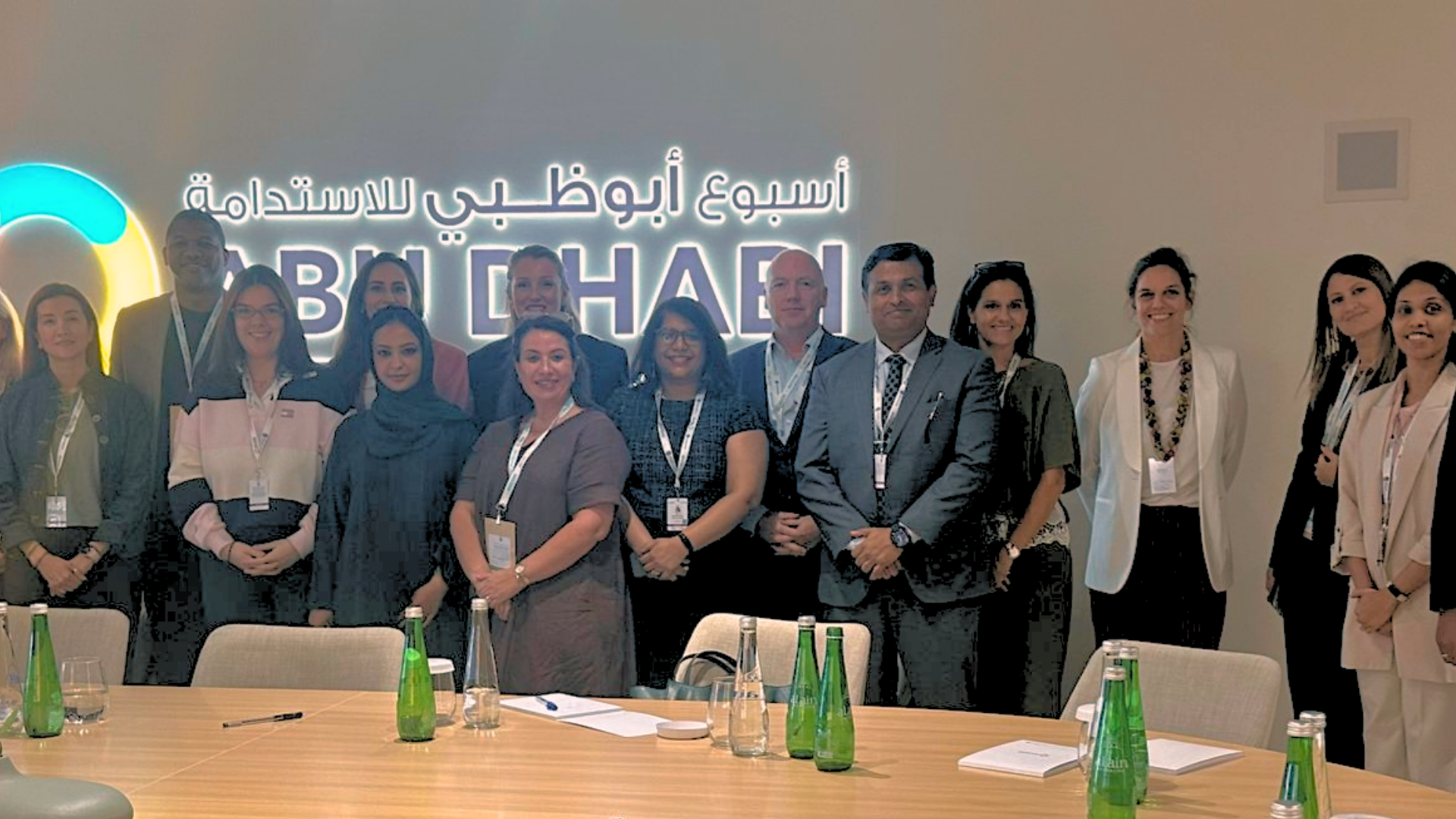
Five sessions since the inaugural forum in December 2025, each building directly on the last.

Insights &
Thought Leadership
Research-led insight and commentary on the regulatory, market, and workforce shifts defining the transition.


Join the Decent Work Taskforce.
The Taskforce is open to new members. We are actively welcoming companies operating in the UAE and the region that are ready to engage: sharing challenges, contributing to practical outputs, and holding themselves accountable alongside peers.
If you have a resource, case study, or initiative you would like to bring to the group, or want to explore what membership looks like, please get in touch.