
Our Insights
Research, commentary, and institutional insight shaping the climate economy.
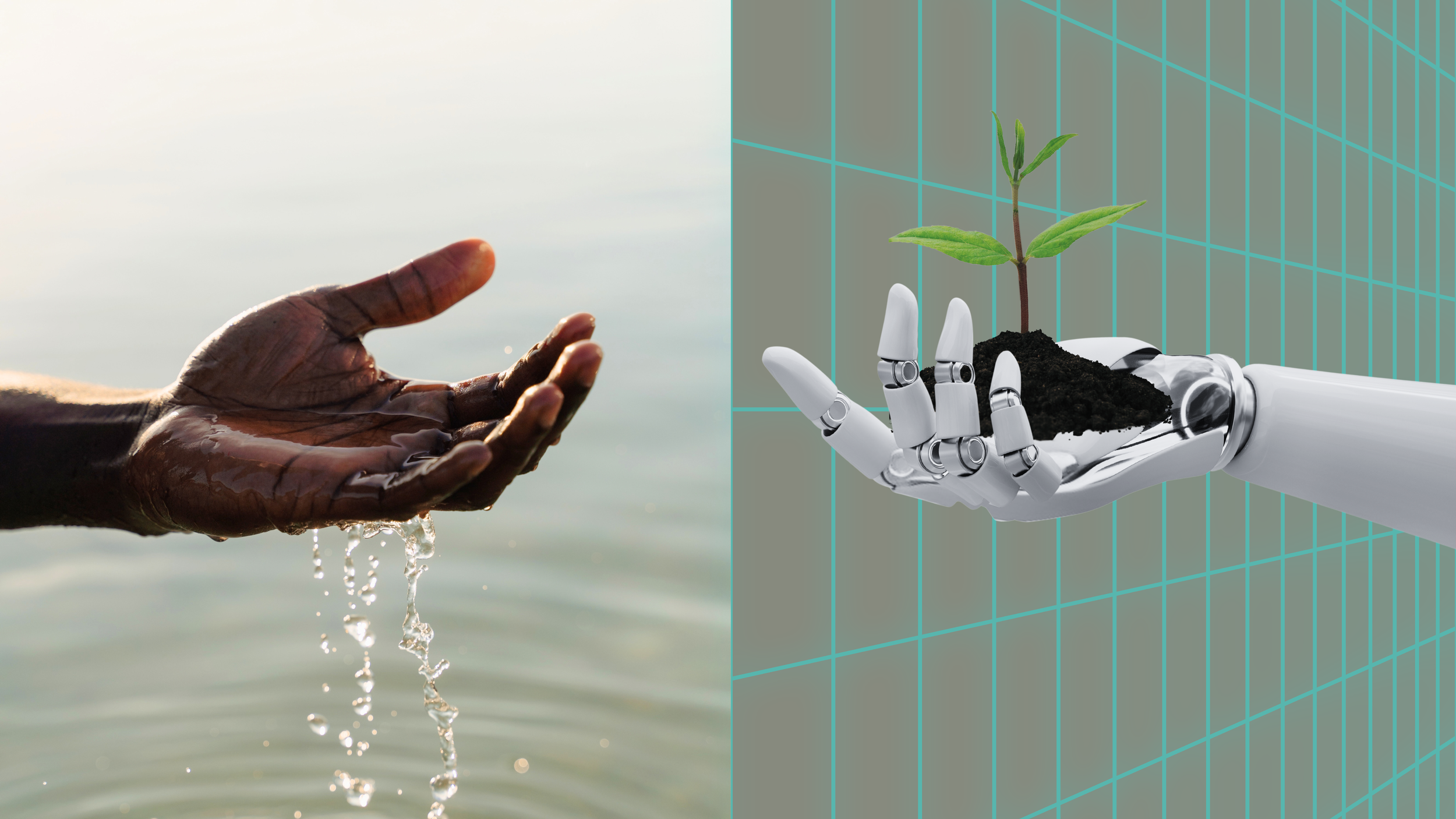
The environmental price of AI sovereignty
A country that depends on overseas capacity for its AI models, whether they run its public services or its defence, is exposed to an outage at a facility on another continent, to a host government that changes the terms of access, and to its own data being held under another jurisdiction's law. However, the measure taken to protect against those exposures carries a counter-risk of its own. Building computing capacity only relocates the risk on the environment since every facility depends on domestic water supply, grid connection and the consent of the neighbouring communities.
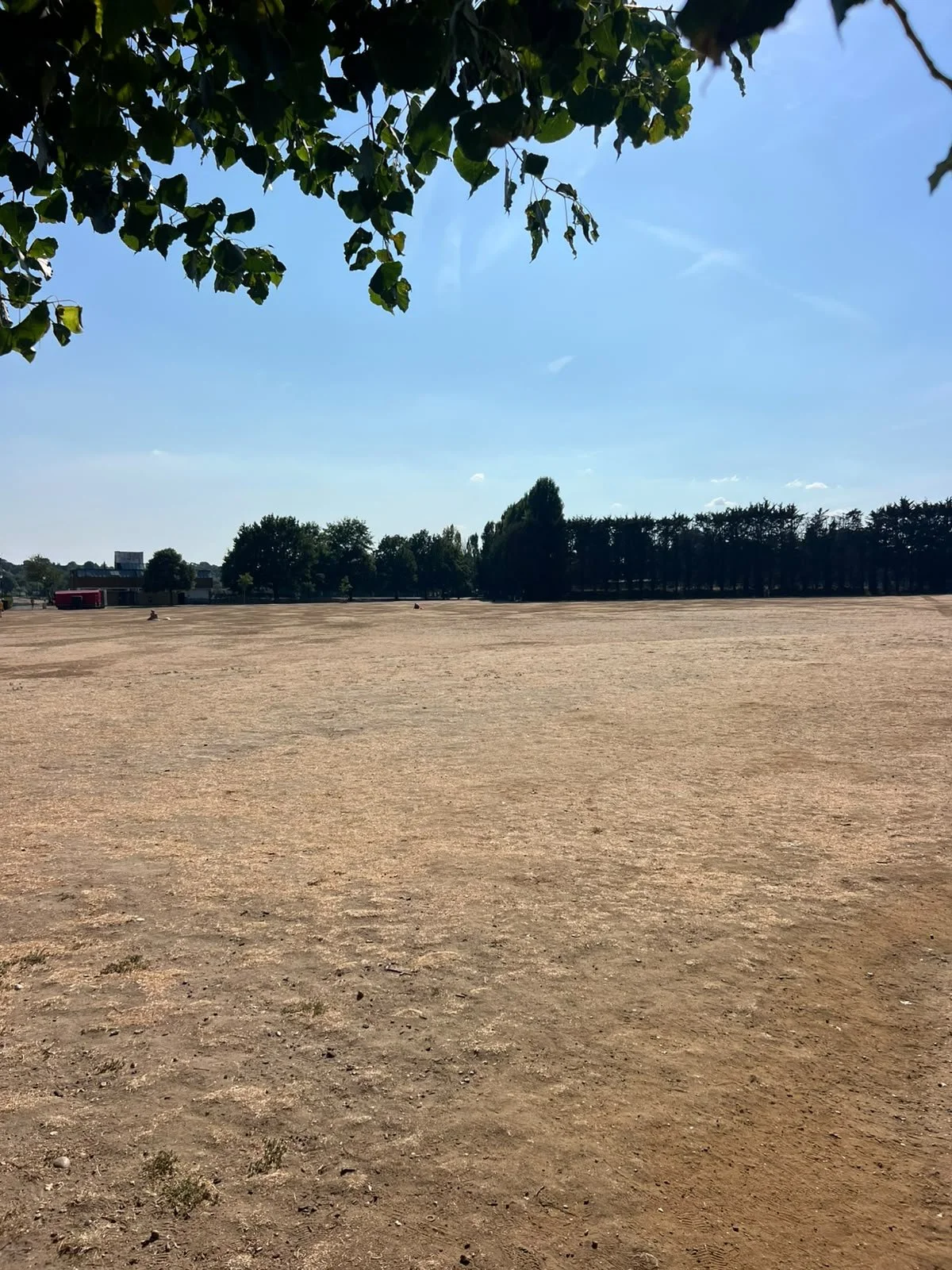
What We Used To Think of As Extreme
I returned to the UK last week to visit family, arriving from Dubai. What was meant to be a usual summer break at home produced instead a fairly disorienting sense of familiarity. I found myself performing a set of behaviours I associate entirely with the Gulf summers turned out to be the new norm in Surrey.
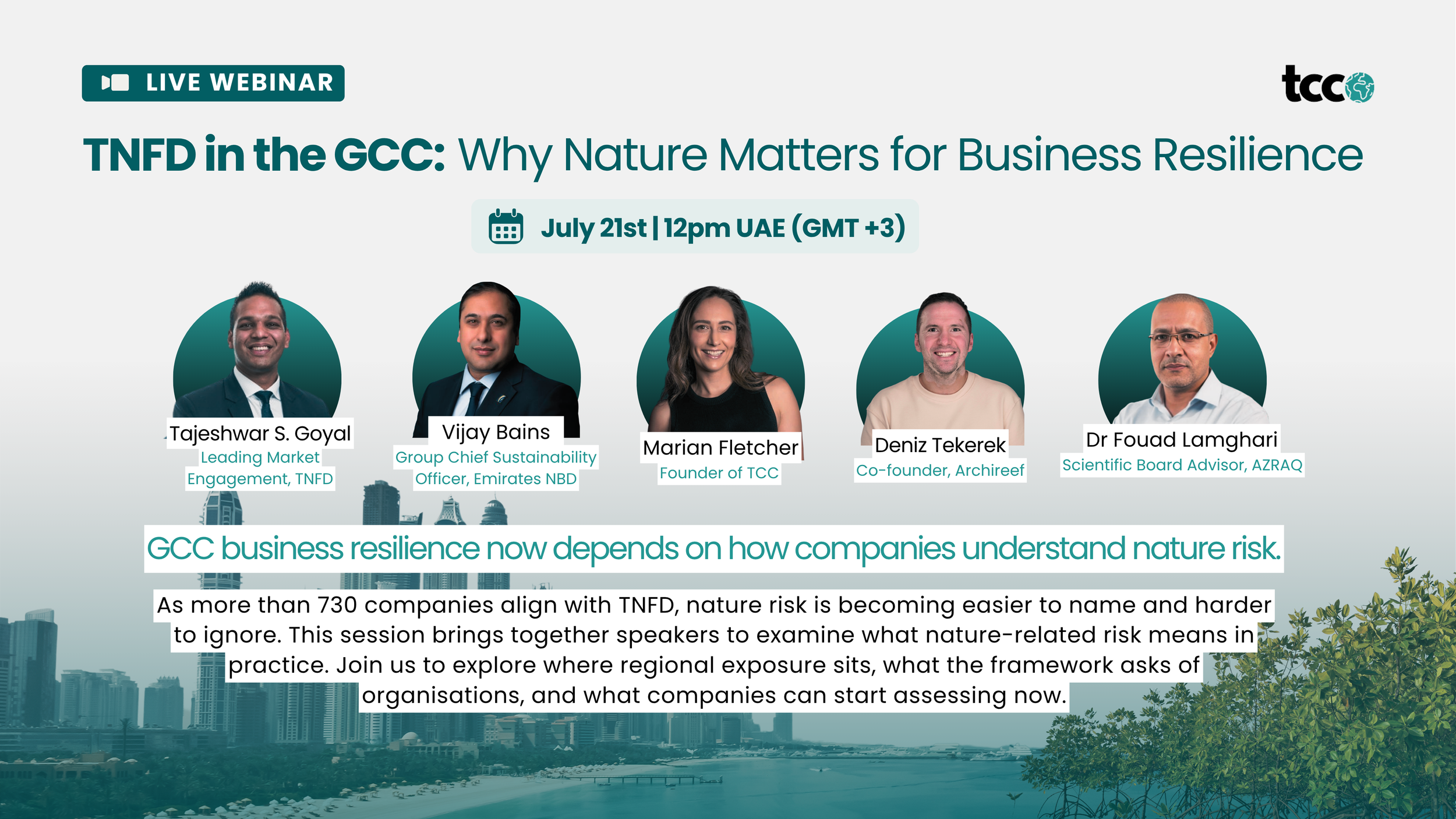
The Hidden Dependencies Beneath GCC Economies
Nature is rapidly becoming one of the most important dimensions of sustainability in the GCC. For years, the region’s conversations have centred on carbon, climate risk and net zero commitments. The webinar made it clear that this is only part of the picture. As shared during the session, “our economies don’t just depend on a stable climate, they also depend on nature. The ecosystems sitting quietly beneath our supply chains, infrastructure and balance sheets.” Nature is not a soft environmental topic. It is a core business resilience issue.

2025 Year in Review: TCC’s Reflections
2025 marked ten years since the Paris Agreement. The milestone brought mixed emotions. Progress in renewable energy and electric vehicles, yet global warming projections still hovering around 2.3–2.8°C. COP30 in Belem, Brazil, delivered the Belem Package with commitments to triple adaptation finance and amplify indigenous voices.